

By West Sussex Soundproofing Ltd
Soundproofing is becoming increasingly important in modern homes, apartments, studios, and commercial spaces. Whether you’re battling noisy neighbours, reducing transfer between floors, or improving the acoustics of a workspace, resilient bars are one of the most effective tools available. Below is a clear guide to how resilient bars work, the typical build-ups for walls and ceilings, the acoustic principles behind them, and how West Sussex Soundproofing Ltd offer these systems professionally.
Why Resilient Bars Are So Effective
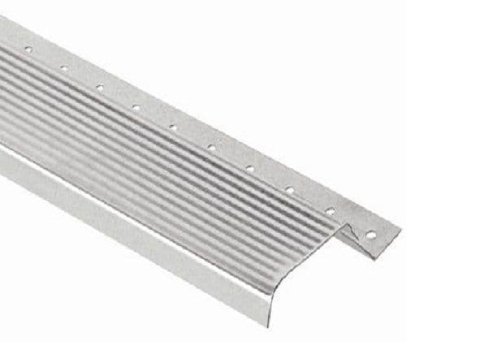
Resilient bars (often called resilient channels) are slim metal strips designed to decouple a new plasterboard lining from the existing wall or ceiling structure. This decoupling dramatically reduces the amount of vibration that can pass from one side to the other, improving both airborne (voices, music, TV) and impact (footsteps, movement) noise performance.
They work because they support several key soundproofing principles:
- Mass – heavier surfaces block more sound.
- Absorption – insulation absorbs sound energy inside cavities.
- Decoupling – separating surfaces prevents vibration transfer.
- Sealing – airtightness prevents sound leaking through gaps.
Resilient bars sit at the centre of the decoupling strategy. When combined with insulation and acoustic plasterboard, they form a high-performance soundproofing system.
Typical Build-Ups for Walls and Ceilings
Below are common professional build-ups used by installers such as West Sussex Soundproofing Ltd.
Wall Soundproofing Build-Up (Using Resilient Bars)
- Existing Wall
Works with both solid masonry and stud partition walls. - Optional Acoustic Insulation
Mineral wool or equivalent is fitted within a cavity or new studwork to absorb sound. - Resilient Bars
Fixed horizontally across the wall structure at recommended centres.
These bars create the crucial separation between the wall and the new plasterboard. - Acoustic Plasterboard Layers
One or two layers are fixed only to the resilient bars, never directly to the studs or masonry.
This prevents sound bridging. - Acoustic Sealing
Edges, joints, and service penetrations are sealed to maintain airtightness. - Final Finish
Typically skimmed plaster, ready for decoration.
This build-up greatly increases wall mass, introduces absorption, and—most importantly—creates structural isolation through the resilient bars.
Ceiling Soundproofing Build-Up (Using Resilient Bars)
- Existing Ceiling / Joist Structure
Suitable for both timber joists and concrete ceilings. - Between-Joist Acoustic Insulation
Installed to absorb airborne sound before it reaches the decoupled layer. - Resilient Bars
Fixed beneath the joists, creating a floating surface for the new ceiling. - Acoustic Plasterboard
One or preferably two layers attached to the bars.
This increases mass and lowers resonance, improving performance. - Perimeter Sealing
Gaps around the ceiling edges are sealed with acoustic sealant.
This system can significantly reduce both airborne and impact noise from above. When ceiling height is limited, West Sussex Soundproofing Ltd also offer slimline resilient bar solutions that minimise height loss (often around 3 cm).
Expected Acoustic Performance
When properly installed, resilient bar systems typically deliver:
- Noticeable reductions in airborne noise such as speech, TV, and music.
- Reduced impact noise when used in ceiling systems.
- Improvements often ranging from 10–20 dB, depending on the original construction.
Even a 10 dB improvement can make a sound seem roughly half as loud, so the difference is significant in real-world use.
The Importance of Correct Installation
Resilient bars are highly effective—but only if fitted correctly. Common pitfalls to avoid include:
- Fixing plasterboard directly into joists or studs (this destroys decoupling).
- Allowing cables or pipes to bridge the isolated layer.
- Leaving perimeter gaps unsealed.
- Compressing insulation or using the wrong density.
This is why professional installation is recommended for consistent results.
How West Sussex Soundproofing Ltd Deliver These Systems
West Sussex Soundproofing Ltd bring over two decades of experience to domestic and commercial soundproofing projects across the region. Their approach typically includes:
- Free initial consultation and assessment
Identifying noise sources and recommending the right system for your property. - Minimal disruption installation options
For example, ultra-slim resilient bar ceiling systems where headroom is tight. - Tailored solutions
Wall and ceiling packages designed for terraced homes, flats, studios, and office spaces. - High-performance upgrades
For music rooms, home cinemas, and professional recording environments.
Their work focuses on correctly integrating insulation, acoustic plasterboard, sealing, and resilient bar decoupling to create an effective, well-balanced system.
Soundproofing a wall or ceiling with resilient bars is one of the best ways to reduce noise transfer. By combining decoupling with mass, absorption, and airtight construction, you can create a quieter, more comfortable space.
For homeowners and businesses in the region, West Sussex Soundproofing Ltd provide professional installation with solutions tailored to your space and noise issues.