

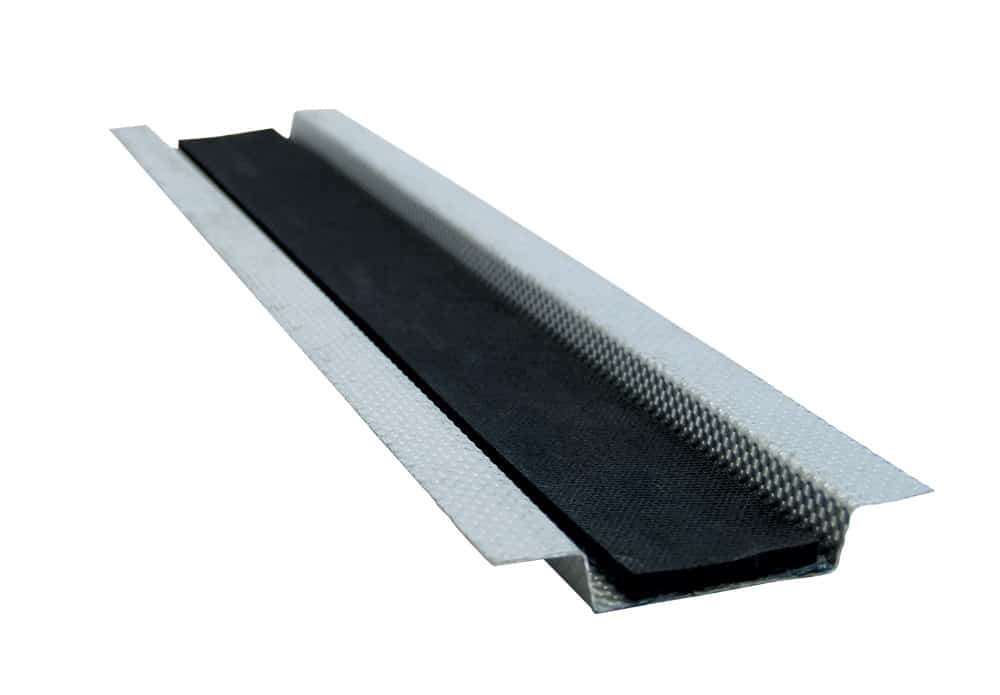
SIF Floor Channels: A Complete Guide to Soundproofing Your Floors
When it comes to soundproofing floors—especially in homes, flats, studios, and commercial buildings—one of the most effective structural solutions is the SIF Floor Channel System. These channels reduce impact and airborne noise transmission between floors, creating quieter, more comfortable living and working spaces.
This article breaks down what SIF floor channels are, why builders use them, the acoustic benefits they offer, and the different sizes available. We’ll also look at how professionals such as West Sussex Soundproofing apply these systems to achieve high-performance results.
What Are SIF Floor Channels?
Installers place SIF (Steel Isolated Floating) Floor Channels beneath a floating floor structure to decouple the floor surface from the structural joists or subfloor. This decoupling creates a break in the pathway through which sound traditionally travels.
A typical SIF channel system includes:
- A steel channel or rail
- A built-in isolation strip (usually rubber, foam, or neoprene)
- Fixings designed to minimise vibration transfer
- An overlaid flooring system such as chipboard, ply, OSB, or acoustic decking
By lowering the physical contact between layers, SIF channels drastically reduce vibration transfer, which is the root cause of noise issues in multi-level buildings.
Why Are SIF Floor Channels Used?
Builders use SIF channels when a standard “carpet and underlay” solution or an acoustic mat simply isn’t enough. They’re ideal for situations where:
✔ Impact noise must be significantly reduced
Footsteps, movement, dropped objects, and furniture shifting can easily travel through floors. SIF channels interrupt that impact path.
✔ You need strong acoustic insulation without raising floor height too much
Unlike bulky floating floor systems, SIF channels offer high performance with relatively modest height build-up.
✔ Structural noise control is required
If the property suffers from flanking noise—sound travelling through joists and walls—SIF channels can greatly reduce the issue.
✔ Building regulations or professional-level soundproofing is required
They help meet Approved Document E acoustic standards for both new builds and conversions.
Acoustic Performance of SIF Floor Channels
SIF Channel systems typically offer excellent reductions in both airborne and impact noise when installed correctly. Although performance varies depending on the full flooring composition, typical improvements include:
Impact Noise Reduction
- Often 15–25 dB reduction in impact transmission
- Particularly effective when combined with acoustic decking or rubber underlay
Airborne Noise Reduction
- Typical airborne reductions of 8–15 dB depending on the system build-up
- Improved resistance to bass frequencies when used alongside insulation between joists
Vibration Control
The integrated isolation strip significantly reduces vibration transmission—something standard joist/floor interfaces cannot achieve.
Professional installers such as West Sussex Soundproofing routinely combine SIF channels with additional measures (e.g., mineral wool, resilient bars on ceilings, or acoustic underlays above) to create high-performance solutions.
Different Sizes and Options Available
SIF Floor Channels come in a range of sizes to suit different projects and build-ups. While dimensions vary depending on manufacturer, common sizes include:
Standard Sizes
- 40mm height – ideal for low-profile installations
- 50mm height – a popular all-round choice
- 70mm height – used when greater acoustic separation is required
Widths
Typically available in widths of:
- 40–60mm depending on joist spacing and flooring type
Load Ratings
Different models are rated for:
- Domestic floors
- Heavy commercial floors
- Studio or specialist acoustic installations
Isolation Types
- Neoprene isolation strips (excellent for long-term durability)
- Acoustic foam strips (good for domestic properties)
- Rubber isolation pads (high-performance sound isolation)
If you’re unsure which size suits your project, an acoustic professional will assess your joist structure and overall soundproofing goals.
Why Use West Sussex Soundproofing for SIF Channel Installation?
Installing SIF floor channels requires precision and knowledge of acoustic behaviour. West Sussex Soundproofingspecialises in designing and installing full floor soundproofing systems, including:
- SIF floor channel systems
- Acoustic floating floors
- Joist insulation and vibration control
- Impact noise and airborne noise solutions
- Fully compliant builds for Document E
Their expertise ensures they correctly isolate the system, fit it securely, and pair it with the right acoustic layers to achieve maximum performance.
SIF Floor Channels are one of the most reliable and effective ways to soundproof a floor—whether you’re dealing with impact noise, airborne noise, or structural vibration. They offer excellent acoustic performance, flexibility in size, and compatibility with a range of build-ups.
For homeowners, landlords, and businesses looking for professional installation, West Sussex Soundproofing provides expert advice and tailored solutions to get the best possible results.